★★★★★ 4
Heavy
Color: Texas Longhorns
It’s a tough and heavy toy. Probably best for dogs over 10 lbs.
WAS THIS REVIEW HELPFUL?YesReportShare
Reviewed in the United States on April 21, 2026
Pay in installments of $6.54 with
 ,
,
 and
and

Ships within 48 hours · Estimated delivery Jun 28 - Jul 3
 Promo Codes Available:
For Your Every Summer RSVP, with Code: SUMMER15
elephant jade plant care Shop 'Elephant bush - Portulacaria afra' Care and InfoIntroducing the Elephant Bush, also known as Portulacaria afra, which is a fascinating and popular succulent garden plant native to South Africa. It belongs to the Portulacaceae family and is known for its unique appearance and easy care requirements. The elephant bush succulent gets its name from its resemblance to the foliage of an elephant's trunk. It is also commonly referred to as the dwarf jade plant, small leaf jade, miniature jade, elephant
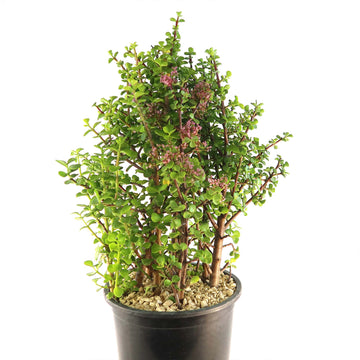
Introducing the Elephant Bush, also known as Portulacaria afra, which is a fascinating and popular succulent garden plant native to South Africa. It belongs to the Portulacaceae family and is known for its unique appearance and easy-care requirements.
The elephant bush succulent gets its name from its resemblance to the foliage of an elephant's trunk. It is also commonly referred to as the dwarf jade plant, small leaf jade, miniature jade, elephant food, or the Spekboom. The name "Dwarf Jade Plant" comes from its small, jade-like leaves, while "Spekboom" is an Afrikaans term meaning "bacon tree" due to the plant's edible leaves that reportedly taste like bacon.
The elephant bush plant features small, round, and fleshy pale green leaves that store water, allowing your elephant bush plant to withstand drought conditions.
The trailing stems of the elephant bush plants are thick and red-hued, which gives them a unique and appealing appearance in hanging baskets.
When grown as a houseplant, the elephant bush typically reaches a height of 1 to 3 feet.
However, if planted outdoors in its native habitat, your Portulacaria afra can grow much larger, reaching heights of up to 20 feet. The elephant bush makes for an excellent bonsai due to its unique growth pattern and ability to withstand pruning. Its thick, fleshy leaves and sturdy branches give it a robust appearance, making it an ideal succulent for shaping into intricate bonsai designs.
The elephant bush flowers are small, star-shaped, and usually a light pink or lavender color. While the flowers are not the main attraction of this elephant bush succulent, they can add a touch of beauty when they bloom during the spring to late summer.
The elephant bush Portulacaria afra comes in various varieties, including a slow-growing variegated form Portulacaria afra variegata; a trailing growth bush Portulacaria afra prostrata; and a midstripe rainbow bush Portulacaria afra medio-picta, offers a diverse range of beauty in green spaces.
Like other drought-tolerant jade plants, your elephant bush succulent prefers a watering routine that allows the soil to dry out between waterings. Overwatering can harm the elephant bush plant and cause root rot.
In the summer, during the growing season, you should water elephant bush succulents once or twice a month when the soil is dry. A good rule of thumb is to water this elephant plant when the top 1-2 inches of soil feel dry to the touch. In the winter, during the dormant period, you probably do not need to water them at all.
Remember, it's always better to underwater than to overwater the elephant bush plant. This resilient Portulacaria afra plant can tolerate drought conditions better than excessive moisture. So, keep an eye on the soil moisture and adjust your watering schedule accordingly.
When growing the elephant bush indoors, it thrives in bright, indirect light. Place your elephant bush plant near a window where it can receive plenty of natural bright light, but make sure to avoid direct sunlight, especially during the hottest parts of the day.
If you notice the leaves turning yellow or getting scorched, it's a sign that the Portulacaria afra elephant bush is receiving too much direct sunlight. So, finding that sweet spot of bright, indirect light is key to keeping your elephant bush succulent plant happy indoors.
If you decide to grow your elephant bush outdoors, it loves basking in the full sun. Although partial shade in the afternoon is frequently preferred, these plants need at least six hours of strong light each day to survive.
This is true, especially in hotter climates where the plant may become stressed by the afternoon sun's intense heat.
Your succulents should not be placed in any areas that receive continuous, direct sunlight, as this could lead to burned foliage.
Remember, the elephant bush is a versatile succulent plant and can adapt to different light conditions. Just keep in mind that it prefers bright, indirect light indoors and full sun to partial shade outdoors.
Elephant succulents are very airy, porous, nutrient-rich well-drained soil with a pH of 5.5- 6.5; succulents require fast-draining soil that dries completely between waterings. Your soil must have a sandy texture and a low water-holding capacity, just like desert soil. Ideally, you want to use our specialized succulent potting mix that contains 5 natural substrates to promote the development of a strong root system that helps your African elephant bush plant to thrive.
When it comes to fertilizing your elephant bush plant, it only needs a small amount of fertilizer applied once a year in spring. These succulents prefer a fertilizer with lower doses of NPK, with a maximum ratio of 5-10-5 that is higher in phosphorus than nitrogen.
When it comes to growing the Elephant Bush plant indoors, the Elephant Bush prefers a cozy environment with temperatures between 65°F and 75°F. It can tolerate slightly cooler temperatures, but it's best to avoid extreme cold or frost. If you notice the leaves starting to shrivel or the tips turning brown, it may be a sign that the air is too dry. You can increase humidity by placing a tray of water near the plant or using a humidifier.
If you are living in USDA zones 9-11, you can grow your Elephant Bush plant outdoors year-round. These zones have mild temperatures and are less prone to frost.
In cooler zones, it can be kept outdoors during the summer and brought in as the temperature drops.
Elephant Bush can handle average to slightly higher humidity levels outdoors. Just make sure to provide well-draining soil to prevent waterlogged conditions, as excessive moisture can lead to root rot.
Don't worry if your succulents become too hot; they can tolerate triple-digit temperatures in the summer and prefer constant temperatures above 70 degrees Fahrenheit.
Portulacaria afra have tiny, star-shaped flowers, which bloom in clusters, and are a magnet for friendly pollinators. Bees are particularly drawn to its nectar-rich blooms, while butterflies and other beneficial insects are also frequent visitors. In areas where it thrives outdoors, hummingbirds may be attracted to the vibrant blossoms as well.
According to ASPCA, the Portulacaria afra Elephant Bush is friendly to both humans and pets such as dogs and cats. This makes it a great choice for households with curious pets or small children.
This African elephant bush is relatively easy to propagate. It can be grown from stem cuttings, which should be allowed to dry for a day or two before being planted in well-draining soil. The cuttings usually root quickly and can be grown into new, young plants.
- Elephant Bush (Portulacaria afra) is a fantastic succulent with small, jade-like leaves.
- Visually appealing and easy to care for, adaptable for both indoor and outdoor growth.
- Tolerates a wide range of warm temperatures, between 65°F and 75°F, and handles higher humidity levels.
- It can thrives in bright, indirect light. It is suitable for beginner and experienced plant enthusiasts alike.
- Often grown as a seasonal accent plant or houseplant.
- Order your Elephant Bush today and add something truly exceptional to your garden.
Overall, Portulacaria afra, or Elephant Bush, is a remarkable plant that combines beauty, resilience, and ecological value. Its succulent, jade-like leaves and sprawling growth make it a striking addition to both indoor and outdoor settings, while its ability to tolerate drought and thrive in poor soils underscores its low-maintenance appeal. This plant’s capacity to attract friendly pollinators such as bees and butterflies further enhances its value in promoting biodiversity. With minimal care—bright, indirect light, well-draining soil, occasional watering, and protection from frost—Portulacaria afra can flourish for years, serving as both a stunning decorative element and an eco-friendly choice for any garden or home.