Pay in installments of $5.68 with
 ,
,
 and
and

Shipping Estimate
USA
- USA
- CAN
- USA
- CAN
Ships within 48 hours · Estimated delivery Jul 1 - Jul 6
 Promo Codes Available:
For Your Every Summer RSVP, with Code: SUMMER15
Description
medinilla succulents Medinilla magnificaMedinilla magnifica Medinilla magnifica is a tropical flowering shrub with large leathery leaves, angular stems and pendant clusters of pink flowers held beneath oversized pink bracts. Mature growth builds woody, slightly succulent stems, then produces hanging flower panicles after a stable growth phase and a brief post flowering rest. This species is native to Luzon in the Philippines, where it grows in wet tropical conditions as a hemiepiphytic
Medinilla magnifica
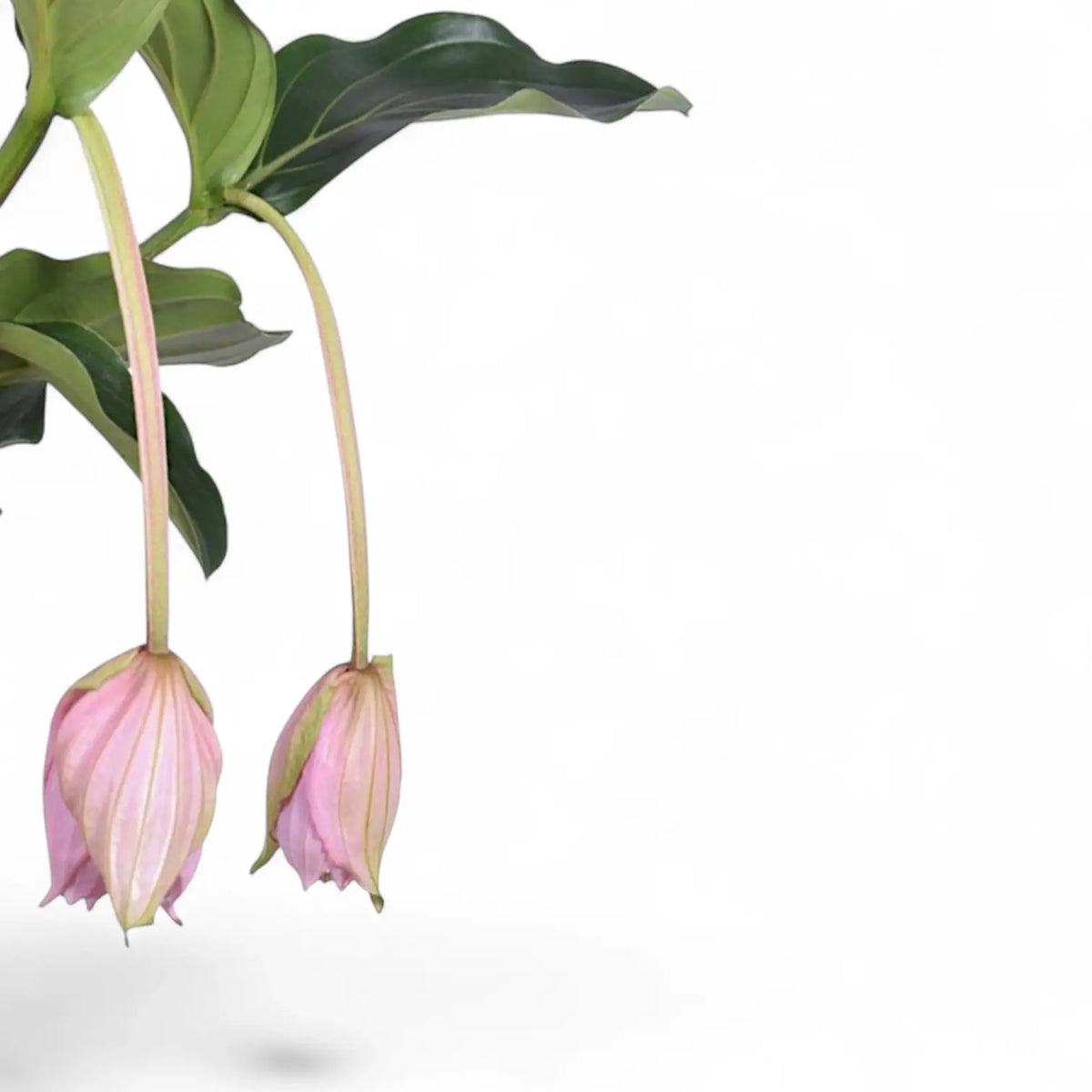
Medinilla magnifica is a tropical flowering shrub with large leathery leaves, angular stems and pendant clusters of pink flowers held beneath oversized pink bracts. Mature growth builds woody, slightly succulent stems, then produces hanging flower panicles after a stable growth phase and a brief post-flowering rest.
This species is native to Luzon in the Philippines, where it grows in wet tropical conditions as a hemiepiphytic shrub or small tree. It can root into organic pockets on trees as well as grow in open ground. Indoors, Medinilla magnifica needs bright filtered light, warmth, high humidity and a potting mix that stays lightly moist while draining freely around the roots.
Medinilla magnifica as a flowering tropical shrub
- Growth habit: Shrubby, branching Medinilla with firm four-angled stems.
- Leaves: Large, glossy, ovate to oblong leaves with strong veins and a leathery surface.
- Flowers: Drooping pink to coral-pink panicles framed by showy pink bracts.
- Natural context: Philippine wet-tropical species with hemiepiphytic growth in bright shade.
- Indoor behaviour: Needs stable warmth and moisture, followed by a slightly cooler bright phase after flowering before new growth resumes.
Woody stems, pink bracts and hanging panicles
Medinilla magnifica develops a woody framework over time, with leaves arranged along sturdy stems. The flower clusters hang below the foliage, so the plant needs enough space around the pot for the pendant panicles to develop freely.
The large pink structures are bracts, while the smaller true flowers sit within the hanging cluster. After flowering, spent panicles can be removed cleanly so the plant can direct energy into new shoots. Future flowering develops from healthy mature stems after the plant has resumed steady growth.
Hemiepiphytic roots and airy potting mix
Medinilla magnifica has hemiepiphytic roots that need moisture, oxygen and an open potting structure. Roots that naturally exploit loose organic pockets grow best in an open mix that stays lightly moist without compacting around the roots. Indoors, a chunky mix lets water move through the pot while still holding enough moisture for the large leaves and developing flower panicles.
Light, moisture and bloom-cycle care
- Light: Give bright indirect light with gentle morning sun if temperatures stay moderate. Harsh midday sun can scorch the broad leaves and bracts.
- Watering: Keep the root ball evenly moist during active growth and flowering, then let the top layer begin to dry before watering again. Avoid saturated roots.
- Humidity: Aim for at least 60% humidity with air movement. Stable humidity helps expanding leaves, buds and flower panicles develop cleanly.
- Temperature: Keep warm, ideally around 18–25°C. After flowering, a bright slightly cooler period around 16–18°C can help the plant reset for new growth.
- Substrate: Use a chunky, free-draining mix with fine bark, coco fibre, perlite and organic matter. The mix should hold light moisture while staying open around the roots.
- Semi-hydro and mineral substrates: Fine, moisture-retentive mineral blends suit experienced growers who can keep the roots evenly moist, warm and aerated. Coarse mineral setups are harder to manage for this large-leaved flowering shrub.
- Feeding: Feed lightly every two to four weeks during active growth and bud development. Pause or reduce feeding when growth slows.
- Pruning: Remove finished flower stems and any weak, crossing shoots. Cut above healthy nodes to keep the shrub balanced.
- Repotting: Repot only when the root ball is crowded or the mix has degraded. Choose a stable pot because flowering stems can become top-heavy.
- Propagation: Stem cuttings with healthy nodes can root in warm, humid conditions. Use clean tools, keep the cutting lightly moist and provide steady warmth while new roots form.
- Growth rate: Moderate under warm, humid, bright filtered conditions, with slower growth after flowering, cold stress, dry air or root disturbance.
Bud drop, leaf-edge stress and hidden pests
- Bud drop: Often caused by cold draughts, sudden movement, dry air or irregular watering while buds are forming. Keep conditions stable once buds appear.
- Brown leaf edges: Usually linked to low humidity, dry root stress or mineral-heavy water. Check moisture consistency and improve humidity around the plant.
- Yellowing lower leaves: Can follow saturated substrate, cold roots or a heavy potting mix. Let the top layer dry slightly and check drainage.
- No new flowers: The plant may need brighter filtered light, mature new shoots and a short cooler bright phase after the previous bloom cycle.
- Scale or mealybugs: Check stems, leaf veins and bract bases. Remove pests early and repeat treatment because insects can hide along the angular stems.
Recovery after flowering
Medinilla magnifica is often bought in bud or flower, and that stage is sensitive to shipping, turning, cold and dry air. Place it in bright filtered light, keep the root zone evenly moist, and avoid repeatedly moving the pot while the panicles are expanding. Once flowering finishes, the plant can be pruned lightly and grown on for the next cycle.
Medinilla magnifica safety
Medinilla magnifica is an ornamental plant. Keep leaves, flowers and berries away from pets and children that chew plants, and wash hands after pruning or removing old plant material.
Medinilla magnifica name and botanical family
Medinilla magnifica belongs to Melastomataceae. The accepted name Medinilla magnifica Lindl. was published by John Lindley in Paxton’s Flower Garden 1: 55 in 1850. The genus name Medinilla honours José de Medinilla y Pineda, governor of the Mariana Islands in the early nineteenth century. The species epithet magnifica means magnificent or splendid, matching the large pink bracts and hanging flower clusters.
Shipping Notes
- Free Standard Shipping on $100+ Orders to the USA.
- Except Preorder products are shipped in 48 hours.
- Delivery to the USA:
- Standard Shipping : 3-10 business days
- If time is of the essence, please consider selecting expedited delivery for faster service.
Exchange/Return Notes
- We offer a 30-day return/exchange service after receiving.
- Final sale items are not eligible for returns or exchanges.
- To process your return/exchange, please contact us at [email protected]
- Please click here for more details>>> Return & Exchange Policy