Pay in installments of $5.67 with
,
and
Shipping Estimate
USA
- USA
- CAN
- USA
- CAN
Ships within 48 hours · Estimated delivery Jun 28 - Jul 3
For Your Every Summer RSVP, with Code: SUMMER15
Description
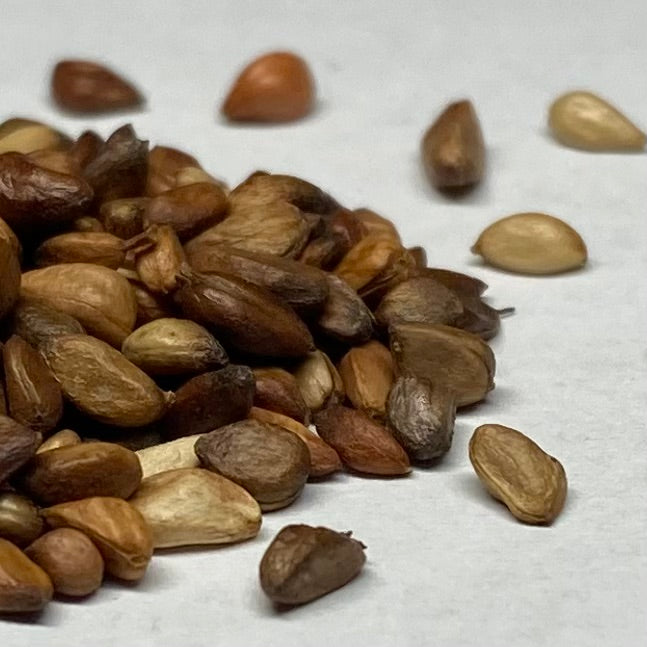
manga rosa seeds Rose, Wild Meadow (Rosa blanda) – Earthbeat SeedsOne might not expect a native wild rose variety to have naturally evolved to be nearly thornless yet, meet the Meadow Rose. Also known as Smooth Rose, the most treacherous part of this plant is the prickles that are present on the lower parts of their older growth, with younger and high reaching growth being smooth. Another common name, Early Wild Rose, indicates their propensity to bloom earlier than other native roses. The species name blanda is
One might not expect a native wild rose variety to have naturally evolved to be nearly thornless— yet, meet the Meadow Rose. Also known as Smooth Rose, the most treacherous part of this plant is the prickles that are present on the lower parts of their older growth, with younger and high-reaching growth being smooth. Another common name, Early Wild Rose, indicates their propensity to bloom earlier than other native roses. The species name blanda is derived from the Latin ‘blandus’ for ‘flattering’, ‘tempting’, ‘alluring’. Of course, this only seems right for a plant with such gorgeous blossoms. As they spread through rhizomes to form patches, Rosa blanda is an excellent choice for naturalizing in a large swath of land. They are indigenous to the Northeast United States and the Upper Midwest, and naturally occur in meadows, prairies, and dry hillsides. Smooth Rose is hardy to a variety of climate conditions, allowing it to thrive even along roadsides or sandy soils. The ability of this plant to exist harmoniously alongside the invasive introduced species Rosa multiflora benefits the surrounding wildlife and is a wonderful demonstration of how our native plants can indeed have success coinciding with non-native species.
The gentle pale pink blooms of Meadow Rose have a lovely smell, and form into vitamin C-rich scarlet rosehips by late summer that hang on through the winter. These fruits are choice eating for birds and other wildlife, who flock to them. The plant as a whole is thought to be a host for Apple Sphinx moth, Blinded Sphinx, Automeris Io moth, and Cecropia moth. Bees are frequent patrons at the nectaries of Rosa blanda, including the federally endangered Rusty Patched bumblebee. Rather than the finely manicured beauty of English roses, this native rose is a spectacularly wild shrubbery for the gardener who wants showiness without all the pomp and circumstance.
Shipping Notes
- Free Standard Shipping on $100+ Orders to the USA.
- Except Preorder products are shipped in 48 hours.
- Delivery to the USA:
- Standard Shipping : 3-10 business days
- If time is of the essence, please consider selecting expedited delivery for faster service.
Exchange/Return Notes
- We offer a 30-day return/exchange service after receiving.
- Final sale items are not eligible for returns or exchanges.
- To process your return/exchange, please contact us at [email protected]
- Please click here for more details>>> Return & Exchange Policy