Pay in installments of $5.04 with
 ,
,
 and
and

Shipping Estimate
USA
- USA
- CAN
- USA
- CAN
Ships within 48 hours · Estimated delivery Jul 1 - Jul 6
 Promo Codes Available:
For Your Every Summer RSVP, with Code: SUMMER15
Description
anthurium bakeri Anthurium bakeriAnthurium bakeri Short stemmed and epiphytic, Anthurium bakeri develops long, narrow, leathery leaves that become more strap like as the plant matures. The plant stays compact at the base while the leaves spread outward. Mature leaves can reach around 55 cm, though indoor size depends on light, warmth and root space. Older leaves may show fine reddish brown speckling underneath. When established plants flower, they can produce pale green spathes with
Anthurium bakeri
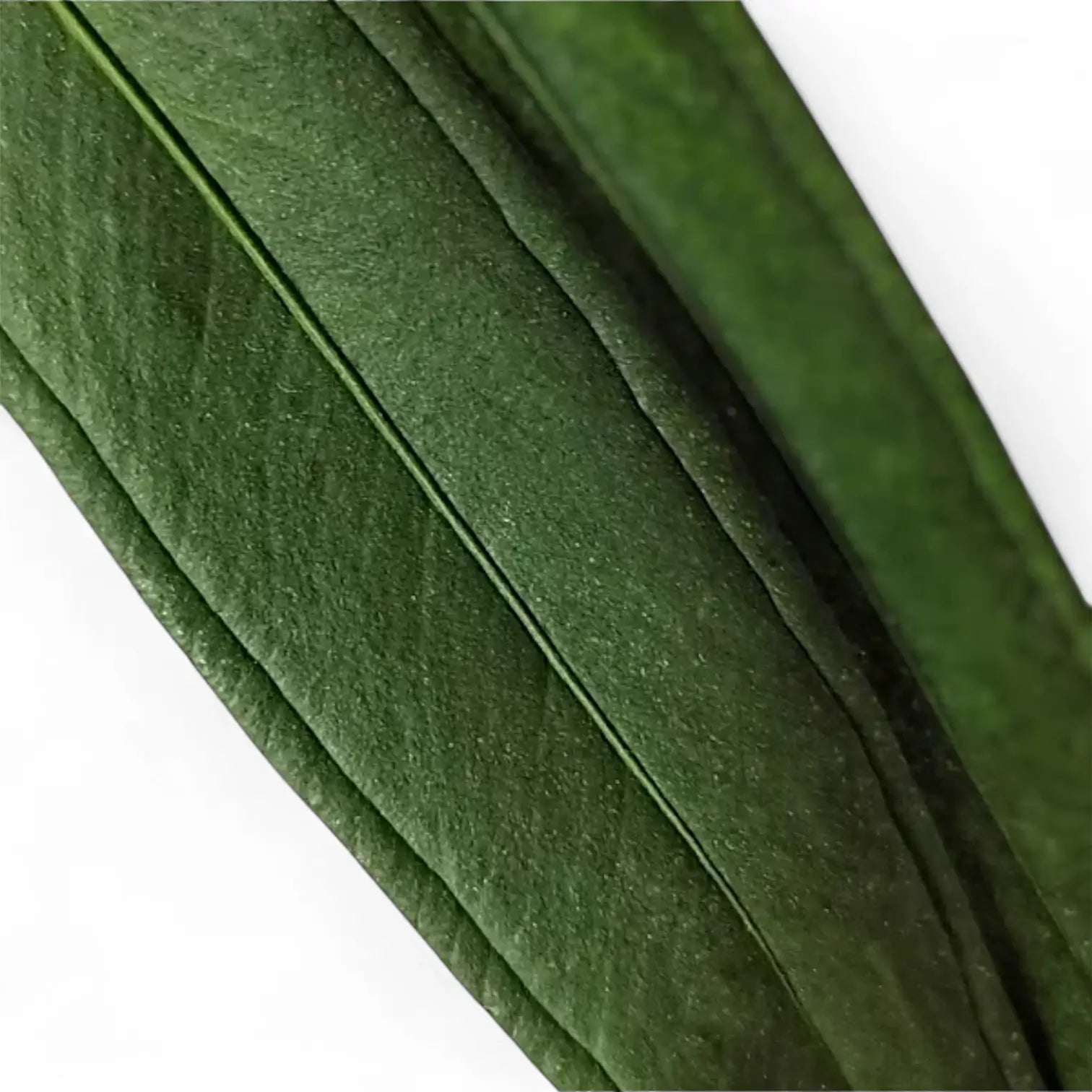
Short-stemmed and epiphytic, Anthurium bakeri develops long, narrow, leathery leaves that become more strap-like as the plant matures. The plant stays compact at the base while the leaves spread outward. Mature leaves can reach around 55 cm, though indoor size depends on light, warmth and root space.
Older leaves may show fine reddish-brown speckling underneath. When established plants flower, they can produce pale green spathes with creamy spadices, followed by red berries after successful pollination.
This species is native from southern Mexico through Central America into northern South America, where it grows in wet tropical forest, often on trees. In a pot, the roots need moisture and air at the same time. A loose, barky mix gives them the air pockets they need.
Anthurium bakeri key features
- Growth habit: Short-stemmed epiphytic Anthurium with leaves held upright or spreading outward.
- Leaves: Narrow, leathery blades that become long and strap-like over time.
- Mature size: Mature leaves can reach around 55 cm on well-grown plants.
- Leaf detail: Mature leaves may show reddish-brown speckling underneath.
- Flowers and fruit: Pale green spathes and creamy spadices may appear, followed by red berries if pollinated.
Care for its epiphytic roots
- Light: Bright, filtered light is best; harsh direct sun can mark the leaves.
- Watering: Water when the upper part of the mix has dried, then let excess water drain away.
- Substrate: Use a loose, chunky mix with bark, coco chips and pumice or perlite so the roots stay aerated.
- Temperature: Keep warm, ideally between 18–28 °C.
- Root zone: A warm, free-draining pot is important for healthy root growth.
- Humidity: Moderate to high humidity helps new leaves expand cleanly.
- Feeding: Feed lightly during active growth with a balanced fertiliser.
- Repotting: Repot when roots fill the pot or the mix starts to break down.
Common issues with Anthurium bakeri
- Yellowing older leaves: Often points to a dense, stale or overly wet mix.
- Brown edges: Can follow dry spells, low humidity or fertiliser and salt buildup.
- Soft base or crown: Usually signals root problems from poor drainage or a cold, wet pot.
- Marked or distorted new leaves: Check for pests such as thrips or mites while the leaves are still soft.
Safe placement
Keep Anthurium bakeri away from pets and children. Like other Anthuriums, it contains calcium oxalate crystals; plant material can irritate the mouth and throat if ingested, and sap may irritate skin or eyes.
About the name
The genus name Anthurium comes from Greek words meaning “flower” and “tail”, referring to the spadix. The species name bakeri is an eponym formed from the name Baker.
Shipping Notes
- Free Standard Shipping on $100+ Orders to the USA.
- Except Preorder products are shipped in 48 hours.
- Delivery to the USA:
- Standard Shipping : 3-10 business days
- If time is of the essence, please consider selecting expedited delivery for faster service.
Exchange/Return Notes
- We offer a 30-day return/exchange service after receiving.
- Final sale items are not eligible for returns or exchanges.
- To process your return/exchange, please contact us at [email protected]
- Please click here for more details>>> Return & Exchange Policy