★★★★★ 5
Great product
Very good. Hours of fun with the dog.
WAS THIS REVIEW HELPFUL?YesReportShare
Reviewed in the United States on March 3, 2026
Pay in installments of $6.40 with
 ,
,
 and
and

Ships within 48 hours · Estimated delivery Jun 28 - Jul 3
 Promo Codes Available:
For Your Every Summer RSVP, with Code: SUMMER15
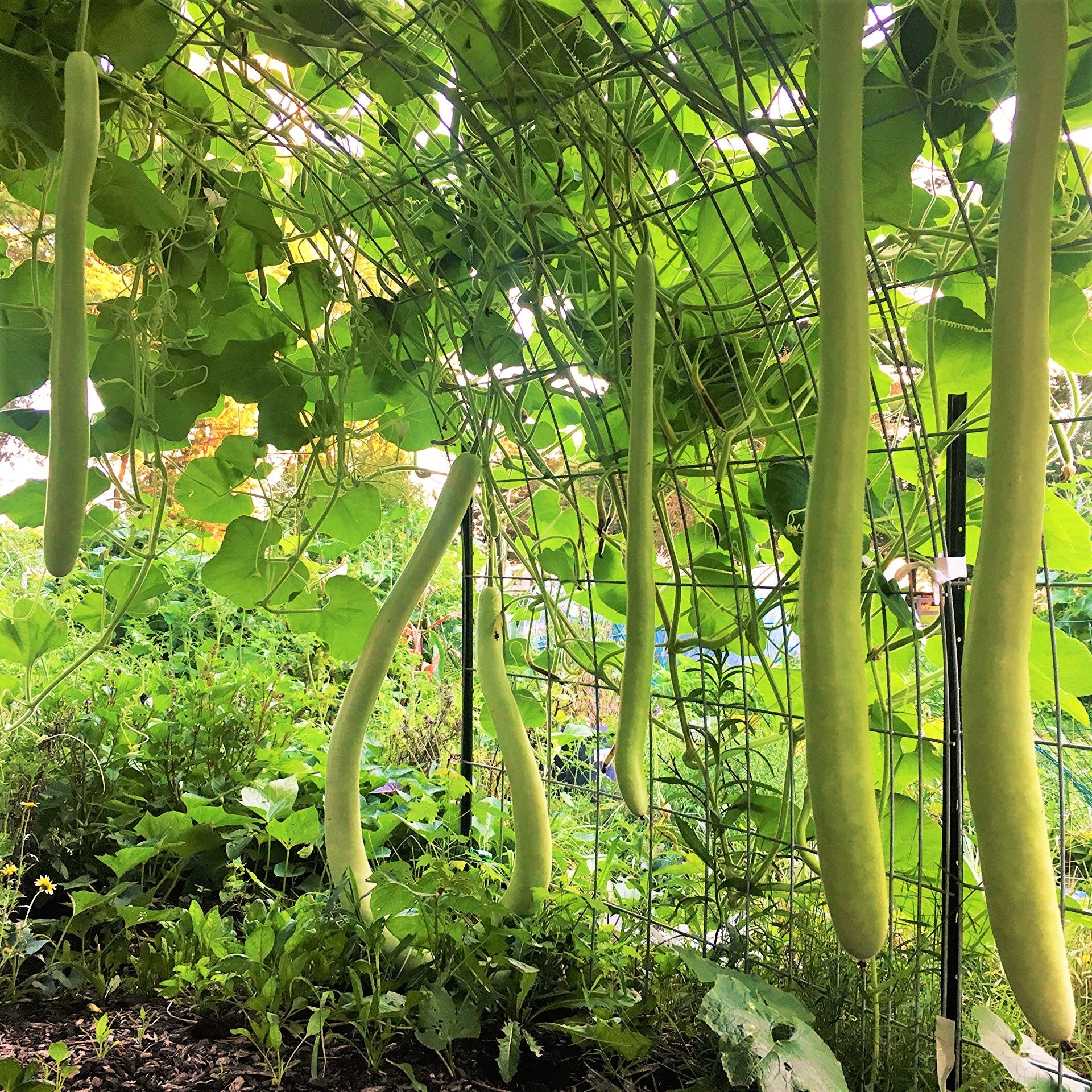
planting cucuzza seeds Cucuzza Squash Seeds - For 2026 Planting Lagenaria siceraria Cucuzzi"Serpent of Sicily" Cucuzza Gourd is an Italian summer squash characterized by it's incredibly long snake like body, growing up to 3 4 feet in length sometimes up to 10 inches in one day! Its light green body, firm white flesh, and slightly sweet taste makes this special squash a popular ingredient in southern regions of Italy. Stew in red sauce, stuff for "Gagootz," or fry or steam with vegetables! The gourd is an excellent source of vitamins and
"Serpent of Sicily" Cucuzza Gourd is an Italian summer squash characterized by it's incredibly long snake-like body, growing up to 3-4 feet in length - sometimes up to 10 inches in one day! Its light-green body, firm white flesh, and slightly sweet taste makes this special squash a popular ingredient in southern regions of Italy. Stew in red sauce, stuff for "Gagootz," or fry or steam with vegetables! The gourd is an excellent source of vitamins and minerals, contributing both flavor and nutritional benefits to meals. Growing Cucuzza is easy, making it a perfect addition for gardeners looking for an interesting, high-yielding crop. The plants can be trained to grow vertically, saving garden space while adding beauty to your garden with their vigorous vines and cascading leaves. Whether for cooking, decorating, or even using the dried gourd shells for crafts, Cucuzza Gourd offers a diverse and rewarding gardening experience.| Plant Name: | Cucuzza, Serpent of Sicily |
| Latin Name: | Lagenaria siceraria |
| Days to Germinate: | 7-14 |
| Days to Harvest: | 60 |
| Plant Height: | 6 - 8 Feet |
| Spread: | 4 - 6 Feet |
| Growth Habit: | Vining |
| USDA Zones: | 3-11 |
| Lifespan: | Annual |
| Brand: | TomorrowSeeds |
| Sunlight: | Full Sun, Partial Shade |
| Pollination: | Heirloom, Open-Pollinated |
| GMO: | No |
| Fungicide-Treated Seeds*: | No |
| Seeds Packed For**: | 2026 |
Choose an area with heavy, well-draining soil that receives at least 6 hours of sunlight each day. Remove weeds, large rocks, and litter from the planting area. Leave small weeds and dead grass, they will enrich the soil when turned under. Spade or till the soil 8-12 inches deep. Loosening the soil will help the plant establish strong roots.
Plants grow best in soil with lots of organic matter. You may optionally add fertilizer or organic material such as compost, leaves, or rotted hay to mix into the soil at this point. For small gardens, scatter 2-3 tablespoons of fertilizer evenly and work into the top 2-3 inches of soil for each hill or 2 foot by 2 foot planting area. For larger gardens, scatter 2-3 pounds of a complete fertilizer for each 100 square feet of planting area. Work fertilizer or organic material into the soil and leave the surface smooth.
Form rows of soil beds 4-6 inches high and at least 4 feet apart. This formation of ridges will help with drainage.
| Planting Depth: | 1 inch |
| Within-Row Spacing: | 3 feet (trellis) or 8 feet (sprawl) |
| Between-Row Spacing: | 4 feet |
Watering: Water the plants deeply, soaking the soil to a depth of 6-8 inches, once to twice a week. If there is no rainfall, water 3-4 times a week. Sandy soils may need to be watered more often than heavy clay soils. Mulching around plants can help retain moisture.
Weeding: Keeping plants weed-free improves production. If plowing or hoeing, do not dig deeper than 1 inch to prevent from cutting the feeder roots.
Fertilizing: Once seedlings are established, 2-3 weeks after germination, you may optionally apply 2 tablespoons of a complete fertilizer around each hole, or 1-2 pounds per 100 square feet, without letting the fertilizer touch the plants. Optionally, continue fertilizing every 3-4 weeks as plants grow, especially after flowering begins. Water plants after fertilizing.
Insecticides: Insecticides may be used to protect plants. Bt-based insecticides and sulfur are organic options that can be used for prevention. Sulfur also has fungicidal properties and helps in controlling many diseases. Before using a pesticide, read the label and follow cautions, warnings and directions.
Diseases: If spots or mold appear, treat plants with an approved fungicide. Neem oil, sulfur, and other fungicides may be used. When using fungicides always follow label directions.
Harvest cucuzza when the squash reaches its full length, usually between 18 to 36 inches, and has a firm, smooth skin. The best time to harvest is when the cucuzza is still young, pale-green and tender, typically around 4 to 6 weeks after flowering. It is important to pick the fruit while it's still green and before it begins to mature and turn yellow, which indicates it's overripe and likely tough and bitter. The skin should be soft and easy to pierce with your fingernail, and the flesh inside is succulent. Use a sharp knife or pruning shears to cut the cucuzza from the vine, leaving a short portion of the stem attached.