Pay in installments of $5.21 with
 ,
,
 and
and

Shipping Estimate
USA
- USA
- CAN
- USA
- CAN
Ships within 48 hours · Estimated delivery Jul 1 - Jul 6
 Promo Codes Available:
For Your Every Summer RSVP, with Code: SUMMER15
Description
cylindrical spear snake plant African Spear Plant 'Sansevieria cylindrica' - Shop OnlineGet ready to be amazed by the African Spear plant, also known as Sansevieria cylindrica (Dracaena angolensis), one of the snake plant varieties and a vibrant member of the Sansevieria genus! It has many other common names, including cylindrical sansevieria, the cylindrical snake plant, the Starfish sansevieria, the bow string hemp, dragon fingers, and pencil Sansevieria. This snake plant does not have ordinary upright, dark green leaves; they are
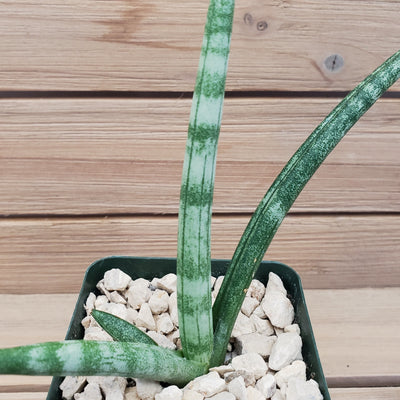
Get ready to be amazed by the African Spear plant, also known as Sansevieria cylindrica (Dracaena angolensis), one of the snake plant varieties and a vibrant member of the Sansevieria genus! It has many other common names, including cylindrical sansevieria, the cylindrical snake plant, the Starfish sansevieria, the bow-string hemp, dragon fingers, and pencil Sansevieria.
This snake plant does not have ordinary upright, dark-green leaves; they are horizontally striped and have an extraordinary cylindrical fan shape that tapers to a fine point at its tips. The single leaf of this spear sansevieria can grow up to 7 feet tall and up to 1.4 inches wide.
In the right conditions, these extraordinary Sansevieria plants might surprise you with a small creamy-white flower spike shooting up from their center. While the cylindrical snake plant flower is not the largest or most colorful among its succulent family, it does have a distinct, sweet-smelling, and pleasing fragrance. These delicate white blooms dance in the air like tiny fairies spreading joy and enchantment everywhere they go. It's simply magical!
Remember, these cylindrical snake plants are mildly toxic for humans and pets, so, it's important to keep them away from children and pets. It is the simplest way to multiply and propagate Sansevieria cylindrica plants. You can either adopt the division or the leaf-cuttings method of Sansevieria cylindrica propagation. While this slow-growing succulent is known to live longer than most other succulents provided it is kept in a warm and well-lit position.
Watering Needs
Native to Africa, the African spear succulent plant doesn't need much water to thrive. In fact, it's best to water the Sansevieria cylindrica plant only when the soil is completely dry, which can be once every two to three weeks. When you do water your Sansevieria plants, be sure to do so thoroughly, allowing the water to soak into the soil. Be careful not to overwater it, as this can cause root rot, which can be fatal to the plant.
But come wintertime (dormant period), you can cut back to every two weeks or less. And get this - any type of water (except hard water) will work just fine! So, whether you use tap or filtered, or even rainwater, your cylindrical snake plant will thrive in no time. Just remember to avoid hard water since this African spear plant doesn't like lime very much.
Light Requirements
The African spear plant, or Sansevieria cylindrica survives in bright full sunlight but can also tolerate low light conditions. It's best to avoid direct afternoon sunlight, as this can burn the leaves.
If you're growing the African spear indoors, place it near a north-facing window that gets plenty of bright, indirect light. If you're growing it outdoors, be sure to provide it with some shade during the hottest part of the day. Without enough light, photosynthesis rates drop, leaves become thin, colors appear dull, there is an unhealthy look to the plant, and growth is stunted.
Optimal Soil Needs
The Sansevieria cylindrica prefers soil that's well-drained and rich in organic matter. A good potting mix for this African spear should be a combination of peat moss, perlite, and sand. You can also add some compost or aged manure to the soil to provide additional nutrients. Planet Desert has got your back with our specialized succulent potting mix that includes 5 natural substrates with organic mycorrhizae – perfect for promoting healthy roots and happy plants.
When it comes to fertilizing this Sansevieria, it's best to use a slow-release fertilizer that's high in nitrogen. You can fertilize the plant once a year during the growing season, which is typically from spring to fall. Avoid over-fertilization as it can lead to the death of your stunning succulent.
Hardiness Zone & More
Typically grown in hot, arid desert regions, the Sansevieria cylindrica thrives indoors in warm, dry surroundings. If you live in USDA regions 9 to 11, you can also grow these Sansevieria plants outdoors year-round, but they are not cold- or frost-tolerant, so you should plant them indoors or put them in a pot and move them indoors during the winter if you live outside of these regions.
Keep your African spear plants away from cold, drafty windows and air vents if you are growing them indoors in a cold climate.
We think you will love this Sansevieria plant – order your very own Sansevieria cylindrica - African spear or cylindrical snake plant today and start enjoying its beauty in no time!
Shipping Notes
- Free Standard Shipping on $100+ Orders to the USA.
- Except Preorder products are shipped in 48 hours.
- Delivery to the USA:
- Standard Shipping : 3-10 business days
- If time is of the essence, please consider selecting expedited delivery for faster service.
Exchange/Return Notes
- We offer a 30-day return/exchange service after receiving.
- Final sale items are not eligible for returns or exchanges.
- To process your return/exchange, please contact us at [email protected]
- Please click here for more details>>> Return & Exchange Policy